
 0
0
 0
0
Read Time:26 Minute
Key Takeaways
- Variety is the spice of life, and it’s essential for preventing workout plateaus at home.
- Effective home exercises don’t necessarily demand a gym-like space or equipment.
- Setting realistic goals and staying motivated are crucial elements of home exercise success.
- Always prioritize safety with proper form and heed your body's feedback during workouts.
- Don’t underestimate the power of stretching—it’s a cornerstone of a balanced exercise routine.
- Embrace the adaptability of home workouts to suit your fitness level and busy schedule.
Setting Up Your Home Exercise Space for Maximum Efficiency
Creating an effective space for your home workouts can be a game-changer for your fitness journey. It's not just about squeezing in a workout; it's about designing an environment that inspires and supports your fitness goals. Let's dive into how you can transform a section of your home into a fitness haven with some strategic planning and essential gear.Choosing the Right Location
Consider dedicating a corner of a room that is seldom used, or even a section of your bedroom or living room. The key is to find a spot that is free from excessive distractions and offers ample space to move around comfortably. If outdoor options are feasible, a sheltered part of your backyard can also serve as an excellent spot to infuse your routine with fresh air and a dose of nature.Essential Equipment for a Home Gym
Even with limited space, certain pieces of equipment are vital to a successful home fitness setup. Adjustable dumbbells offer a range of weights without taking up too much room, while resistance bands provide versatility for strength training and stretching exercises. A thick, durable yoga mat creates a comfortable base for a variety of activities and aids in defining your workout area.Making the Most of Small Spaces
In the interest of efficiency, consider multipurpose furniture that can be pushed aside easily or storage units that can double as workout platforms. Wall-mounted shelves or hooks can hold your equipment when not in use. As for mirrors, they aren't just for vanity; they're excellent tools for ensuring you maintain proper form during exercise, helping prevent injury and making your workouts more effective.| Equipment | Utility | Space Requirement |
|---|---|---|
| Adjustable Dumbbells | Versatile weightlifting | Minimal; Store vertically |
| Resistance Bands | Strength training and stretching | Drawers or hooks for storage |
| Yoga Mat | Foundation for exercises | Rolls up for easy storage |
| Exercise Mirror | Form checking | Wall-mounted to save floor space |
Creating a Balanced Home Workout Routine
Embarking on a home exercise journey means understanding the pillars of a harmonious fitness routine. With a plethora of home exercise techniques at your disposal, staying active at home has never been more accessible or diverse. The secret lies in crafting a routine that not only aligns with your personal goals but also promotes holistic well-being. Embrace the trifecta of cardiovascular workouts, strength training, and flexibility exercises for a robust health regimen.Incorporating Cardiovascular Exercises
Cardiovascular activities are the cornerstone of any fitness plan, encouraging heart health and stamina. Easy to implement within your living space, you can choose from a variety of exercises that mold seamlessly into your daily life. Whether you're pacing up and down the stairs, revelling in an indoor dance session, or investing in a stationary bike, the options are limitless. These routines fortify your heart and lungs, while also serving as the perfect energy booster.The Importance of Strength Training
Often misconceived as a muscle-building, gym-bound activity, strength training is equally effective and critical within your home. It's an invaluable ally against muscle and bone loss, particularly critical as you mature. Deploying tools like resistance bands or bodyweight exercises—think push-ups and squats—you activate a myriad of muscle groups. This versatile technique not only enhances muscle strength but ensures you preserve the functionality of your body deep into the future.Why You Shouldn’t Skip Stretching
To complement the vigour of your workouts, don't overlook the art of stretching. It's your defence mechanism against potential injuries and a catalyst for maintaining supple, responsive muscles. While exhilarating cardio and strength sessions contribute to your fitness saga, stretching harmonizes the narrative, assuring that your movements remain fluid and your body, injury-free. From yoga poses to targeted stretches post-workout, integrating this practice sustains your physical wellness, enabling you to enjoy an active lifestyle within the comfort and privacy of your own home.Expert Fitness Tips for Home Exercising
Mixing up your home workout routine not only breaks the monotony but also accelerates your progress. Whether it's ramping up the intensity or incorporating different fitness disciplines, a little variety can work wonders for your physical and mental well-being. Expert advice on home workouts often emphasizes the benefits of cross-training and adjusting your routine to keep your muscles guessing and improving. But remember, consistency has its place, too. If a structured regimen is what keeps you on track, that’s perfectly fine—just be open to occasional changes to rejuvenate your fitness journey. Engaging with simple yet versatile gym equipment can significantly add to the quality of home workout tips you might receive from professionals. Introducing items like dumbbells or ankle weights can enhance your workouts by providing the necessary resistance to challenge your muscles. Here's a table spotlighting the kind of equipment you could incorporate into your home workouts and the benefits they offer:| Equipment | Primary Benefit | Exercise to Try |
|---|---|---|
| Dumbbells | Builds muscle strength | Bicep Curls, Tricep Kickbacks |
| Ankle Weights | Improves leg and core stability | Leg Raises, Flutter Kicks |
| Resistance Bands | Offers full-body conditioning | Squats, Band Pull Aparts |
| Yoga Mat | Provides support and cushioning | Pilates, Core Workouts |
| Jump Rope | Enhances cardiovascular endurance | Speed Skipping, Double Unders |
Stay focused, stay motivated, and remember that variety is the spice of life—and your home workout routine!
Adapting Workouts for All Fitness Levels
Embarking on a fitness journey from the comfort of your home can be an inspiring endeavour, but it's essential to recognize that everyone's starting point and goals are different. Tailoring your home workout to correspond with your fitness level not only ensures a safer experience but also paves the path for steady progress and eventual mastery. Below, we'll explore how fitness tips for beginners at home can set a solid groundwork, while advanced exercisers can find new challenges to continue their growth.Modifying Exercises for Beginners
As a beginner, diving into the world of fitness can seem overwhelming, but it's all about starting slow and building a stable foundation. You don't need costly equipment or a vast space to begin. Some effective home exercises are designed with simplicity and adaptability in mind. By easing into exercise routines with modifications, you can build strength, endurance, and confidence. Consider starting with bodyweight exercises such as knee push-ups or assisted lunges. Here are a few starter moves you might want to try:- Wall Sit
- Incline Push-ups (using a sturdy table or wall)
- Seated Resistance Band Rows
- Partial Squats
- Bodyweight Glute Bridges
Challenging Workouts for Advanced Fitness Enthusiasts
Once you've built a solid fitness base, pushing boundaries becomes crucial for continued improvements. As an advanced fitness enthusiast, you'll benefit from introducing variety and increasing intensity in your workouts. This could mean incorporating high-intensity intervals, exploring plyometric exercises, or adding weight to traditional bodyweight exercises. Some effective home exercises for advanced routines include:- Burpees with a Jump
- Pistol Squats
- Push-ups with Single-leg Raise
- Plank to Push-up
- Jump Lunges
Maintaining Motivation and Setting Achievable Goals
As you embark on your fitness journey from the comfort of your home, the importance of staying active at home cannot be overstated. Crafting a plan with achievable goals is the cornerstone of long-term success in home fitness. By setting definitive and attainable targets, you cultivate a path marked by milestones that keep you engaged and eager to continue. Let's start by understanding how accountability plays into our fitness endeavours.The Role of Accountability in Fitness
Accountability is your secret weapon when it comes to maintaining the discipline needed to stay active at home. Finding a workout buddy or joining a virtual fitness group can instil a sense of commitment, ensuring you stay on track with your home exercise regime. When you have someone counting on you to show up, skipping a workout becomes less of an option.Tracking Your Progress and Celebrating Milestones
Home fitness tips and tricks often undervalue the power of documenting your progress. Use trusted fitness apps or trackers to log your workouts, body measurements, and other relevant health data. These tools help you visualize your journey and the improvements you've made over time, which is a powerful motivational booster. Now, consider the following table that highlights the relationship between goal setting and the sense of achievement in home fitness:| Goal Setting Aspect | Impact on Motivation | Tools/Apps for Support |
|---|---|---|
| Short-term Goals | Provides immediate satisfaction and gratification | Workout tracking apps |
| Long-term Goals | Keeps the big picture in focus, driving sustained efforts | Progress photo albums, milestone celebrations |
| Regular Check-ins | Encourages consistency and helps identify necessary adjustments | Virtual community forums, fitness challenges |
Utilizing Technology to Enhance Home Workouts
The digital age has been a game-changer for fitness enthusiasts, revolutionizing the way you approach home exercise routines and home workout tips. With an array of technology at your fingertips, there's never been a more seamless integration of convenience and personalization in working out from home. Whether you're a beginner or an advanced athlete, embracing technology can streamline your fitness journey and open doors to more efficient, engaging workouts.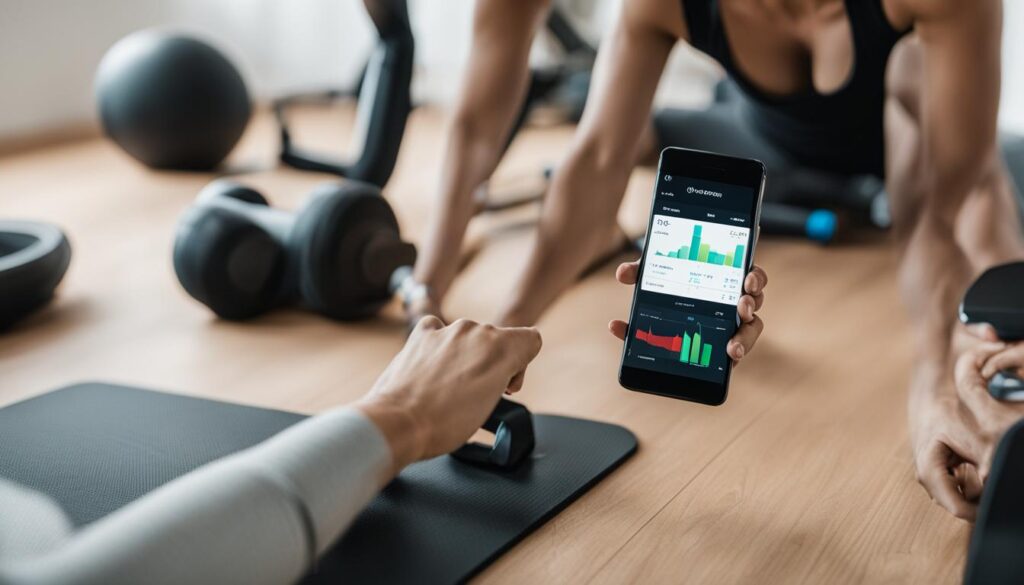
Fitness Apps and Virtual Trainers
Imagine having a personal trainer in your living room, on demand, without the hefty price tag. Fitness apps and virtual trainers offer just that: customized workout plans and real-time feedback, ensuring your home workouts are always on point. From tracking reps and sets to providing comprehensive video tutorials that enrich your fitness routine, these technological aids are like having a fitness expert by your side every step of the way.Online Communities for Support and Inspiration
One crucial aspect of staying consistent with your workouts is motivation, and online communities are thriving hubs that provide boundless support and inspiration. These virtual spaces allow you to connect with fellow home fitness buffs, share progress, swap home workout tips, and keep each other accountable. It's the camaraderie of a gym packed into the digital sphere, allowing you to be part of an empowering fitness ecosystem without ever stepping outside.Expert Advice on Preventing Injuries During Home Exercise
As you dive into your home workout regime, expert advice on home workouts and home exercise techniques can make all the difference in avoiding potential injuries. Establishing a safe workout environment is about more than just clearing floor space—it's understanding and implementing proper practices to ensure your exercise is beneficial and not harmful.Proper Form and Technique Tips
One of the pillars of injury-free exercise is maintaining the correct form. This means aligning your body as recommended, executing movements with control, and using equipment properly, if any. Online videos from reputable fitness experts or a consultation with a certified instructor can offer invaluable guidance, showing you the ropes and helping you prevent common mistakes that could lead to injury.When to Rest and Listen to Your Body
A crucial but often overlooked aspect of home fitness is recognizing when your body is signalling for a break. Rather than pushing through pain or fatigue, take time to rest. If you experience any physical discomfort that seems out of the ordinary, it's essential to stop exercising and seek medical advice if necessary. This approach not only prevents acute injuries but also wards off overuse injuries that can sneak up over time.| Signs to Rest | Action to Take |
|---|---|
| Unusual or persistent pain | Stop exercising, apply rest, and consult a healthcare provider |
| Excessive fatigue | Take a day off or opt for a lighter workout session |
| Diminished performance | Consider if you're overtraining and need more recovery time |
| Mental burnout | Engage in relaxing activities or cross-train to rejuvenate |
Effective Home Exercises That Don’t Require Equipment
Transforming your health through fitness doesn't necessitate a gym membership or high-tech gear. With a focus on effective home exercises, you can architect a robust home exercise routine that caters to your personal goals, utilizing nothing more than your body weight and determination. Let's delve into some impactful workouts that are not only cost-effective but also incredibly convenient.Bodyweight Workouts for Strength and Flexibility
The beauty of bodyweight exercises lies in their simplicity and the comprehensive benefits they provide. Whether you're aiming to build muscle strength, enhance agility, or increase your range of motion, these equipment-free practices fit perfectly into any lifestyle.- Squats: A fundamental move targeting the lower body, squats build your glutes, quads, and hamstrings.
- Push-Ups: An upper-body staple that develops your chest, shoulders, and triceps.
- Planks: Ideal for core stabilization and endurance, planks engage multiple muscle groups simultaneously.
- Lunges: Effective for strengthening and toning the legs while also improving balance.
| Exercise | Reps | Sets |
|---|---|---|
| Squats | 15 | 3 |
| Push-Ups | 10 | 3 |
| Planks | 30 sec | 3 |
| Alternating Lunges | 10 per leg | 3 |
Cardio Options Outside the Gym Setting
When it comes to cardiovascular health, you don't need a treadmill or elliptical machine to get your heart rate up. Engage in dynamic cardio with exercises like jumping jacks, burpees, or on-the-spot jogging that are perfect for a high-intensity burst. Incorporating HIIT routines allows you to maximize your workout efficiency with short, intense bursts of activity followed by rest or low-intensity periods.- Jogging in Place: An excellent way to warm up or incorporate into interval training.
- High Knees: Raise your heart rate while strengthening your core and leg muscles.
- Mountain Climbers: A full-body cardio move that's also fantastic for core conditioning.
- Burpees: Combines a squat, a jump, and a push-up for an intense full-body workout.
Nutritional Tips to Complement Your Home Exercise Plan
Embarking on a fitness journey from the comfort of your home is commendable; however, complementing your efforts with optimal nutrition can significantly enhance your results. Understanding how to fuel your body before and after workouts is key to maximizing energy levels and recovery. To help you navigate your nutritional needs, consider these actionable tips: Nourish with a Pre-Workout Snack: Consume a mix of carbohydrates and protein about 30 minutes before exercising to provide your body with a quick energy boost while assisting in muscle support. An example could be a banana with a spoonful of almond butter.
Stay Hydrated: Hydration is crucial for peak physical performance. Sipping water throughout your workout maintains hydration status and supports endurance and recovery.
Balanced Post-Workout Meals: After exercise, your focus should be on recovery. A balanced meal containing lean proteins, complex carbohydrates, and healthy fats will help repair muscle tissues and replenish energy stores.
Nourish with a Pre-Workout Snack: Consume a mix of carbohydrates and protein about 30 minutes before exercising to provide your body with a quick energy boost while assisting in muscle support. An example could be a banana with a spoonful of almond butter.
Stay Hydrated: Hydration is crucial for peak physical performance. Sipping water throughout your workout maintains hydration status and supports endurance and recovery.
Balanced Post-Workout Meals: After exercise, your focus should be on recovery. A balanced meal containing lean proteins, complex carbohydrates, and healthy fats will help repair muscle tissues and replenish energy stores.
Remember, what you eat is as important as your workout itself. Proper nutrition can improve workout performance and influence the gains you'll see from your home exercise plan.To put this advice into practice, here's a simple guide to help you plan your meals:
| Meal Timing | Food Group | Examples |
|---|---|---|
| Pre-Workout | Carbohydrates + Protein | Oatmeal with blueberries and Greek yogurt |
| During Workout | Hydration | Water or an electrolyte drink |
| Post-Workout | Protein + Carbohydrates + Fats | Grilled chicken, brown rice, and avocado |
- Include a variety of colourful fruits and vegetables to ensure a spectrum of vitamins and antioxidants.
- Choose whole grains over refined ones for sustained energy and to aid in digestion.
- Select lean protein sources to facilitate muscle repair and growth.
- Don't forget to include healthy fats such as nuts, seeds, and avocados for their anti-inflammatory benefits.
Expert Strategies for Overcoming Common Home Workout Challenges
Transitioning to a home workout routine can often be met with an array of challenges. Adjusting to a new environment, keeping consistent without the structured ambience of a gym, and breaking through plateaus all require thoughtful strategies and a pinch of determination. Let's delve into some expert advice that can help you overcome these hurdles and sustain a thriving at-home fitness regimen.Staying Committed Without the Gym Environment
Fostering self-discipline outside the gym setting can initially seem daunting. You may miss the community, the variety of equipment, or the mere act of stepping out of the house for a workout session. However, committing to your home workout routine can become a breeze with a few strategic approaches:- Create a dedicated workout space: Personalizing a corner of your home that is solely meant for exercising can reinforce the habit.
- Design a schedule: Treat your workouts as immutable appointments on your calendar.
- Find a workout buddy: Partner with a friend or family member for virtual workout sessions to keep the spirit of the community alive.
- Leverage social media: Sharing your progress on social media can bolster your commitment through community support and accountability.
Breaking Through Plateaus in Home Training
Reaching a plateau is a natural part of any fitness progression, but it doesn't mean your gains have to stall indefinitely. When your tried-and-true routines no longer yield the results they once did, it's time to inject some creativity into your regime:- Vary your workout intensity: Alternating between high and low-intensity workouts can reignite your body's response to exercise.
- Incorporate new exercises: Challenge different muscle groups by introducing exercises you haven't tried before.
- Set new fitness goals: Aim for new milestones that encourage you to push past your current limits.
- Take a rest: Sometimes, a well-timed break can be exactly what your body needs to recover and surge ahead.
How to Safely Increase the Intensity of Your Home Workouts
Pushing your fitness boundaries can lead to remarkable gains in strength and endurance. However, doing so without proper guidance can increase the risk of injury. As you consider amplifying the intensity of your home workouts, the key is to do so safely and methodically to harness health benefits while minimizing setbacks. Before modifying your routine, it's essential to assess your current fitness level and consult any necessary healthcare or fitness professionals. Establish a baseline of your abilities and gradually introduce new exercises or increased intensity to avoid overtraining. Remember to warm up and cool down adequately; these are vital elements of any exercise program, especially as you intensify your workout. Incremental changes will be your ally in this journey. Avoid the temptation to escalate intensity too rapidly, which can lead to muscle strain or more severe injuries. Instead, focus on measurable and attainable adjustments over time. Here are some strategies you can employ:- Increase the number of reps or sets with a focus on maintaining proper form.
- Introduce more advanced exercise variations or add resistance with household items if you don't have weights.
- Shorten rest periods between sets gradually to enhance cardiovascular strain and muscular endurance.
- Incorporate high-intensity interval training (HIIT) sessions to boost metabolic rate and fitness levels.
| Week | Exercise | Reps/Sets | Rest Periods | Notes |
|---|---|---|---|---|
| 1 | Bodyweight Squats | 3 sets of 15 | 60 seconds | Focus on form. |
| 2 | Bodyweight Squats | 3 sets of 20 | 45 seconds | Increase reps, decrease rest. |
| 3 | Plyometric Squats | 3 sets of 15 | 30 seconds | Add explosive movement. |
| 4 | Plyometric Squats with Weight | 3 sets of 20 | 30 seconds | Hold a water bottle for added resistance. |
Conclusion
Embracing a home workout regimen marks the beginning of a highly flexible and personalized fitness journey. With the insights and strategies from this article—from setting up an efficient exercise space to leveraging technology—you have a robust framework for home exercising success. Remember, your home fitness path is as unique as you are, requiring no strict adherence to gym hours or equipment availability. The convenience and adaptability of home workouts offer a valuable opportunity to integrate physical activity into your daily routine, making it a lasting component of your lifestyle.Embracing Home Workouts for Long-Term Success
As you've learned, the keys to thriving with home workouts encompass not just the physical acts of exercising but also the mental fortitude to maintain motivation and commitment. With the right mindset and a clear set of achievable goals, you're well-equipped to reap the benefits over time. Your ability to tailor routines to your evolving needs means your home workouts can grow with you, remaining a consistent ally in your pursuit of health and wellness.Continually Adapting Your Fitness Journey
Your fitness journey is ever-changing, and staying attuned to these changes is essential. Whether it's adjusting your workouts to overcome plateaus or incorporating nutritional strategies for a holistic approach, continual adaptation ensures that your regimen remains effective and engaging. By taking control of your fitness, you've unlocked the potential for lasting health improvements and a deeper connection to your well-being. So, stay curious, be adaptable, and keep pushing forward on your path to success.
FAQ
How can I ensure I’m choosing the right location for my home workouts?
When determining the best spot for your home workouts, look for an area that provides enough space for you to move freely. This might be a spare room, a section of your living room, or even an outdoor space when the weather permits. Good ventilation, natural light, and minimal distractions are also key factors to consider.
What essential equipment should I include in my home gym for maximum efficiency?
Key pieces of equipment for a versatile home gym might include adjustable dumbbells, resistance bands, a yoga mat, and a stability ball. These allow you to perform a variety of exercises without taking up too much space. Additionally, having a mirror can be beneficial for maintaining proper form.
Do you have any tips for making the most of small workout spaces at home?
Yes, focus on multifunctional equipment that can be easily stored away when not in use. Use furniture creatively, like doing step-ups on a sturdy chair or using a wall for wall sits. Lastly, consider workouts that require minimal room, such as yoga, Pilates, or bodyweight strength exercises.
How do I create a balanced home workout routine?
A well-rounded routine should include cardiovascular exercises to improve heart health, strength training to build muscle and maintain bone density, and stretching to increase flexibility. Aim to fit in these components throughout your weekly schedule to ensure a comprehensive fitness plan.
Why shouldn’t I skip stretching in my home workouts?
Stretching is vital for maintaining and enhancing muscle flexibility, which can help prevent injuries and improve overall movement quality. It also aids in cooldown and can assist in recovery post-workout by reducing muscle tension and soreness.
What exercises are suitable for beginners to adapt at home?
Beginners should start with simple and safe exercises such as walking in place, bodyweight squats, modified push-ups (such as against a wall), and basic stretches. Over time, as strength and confidence increase, you can gradually introduce more complex exercises and increase intensity.
How can advanced fitness enthusiasts challenge themselves with home workouts?
Advanced individuals can increase the intensity of their workouts by incorporating heavier weights, complex movement patterns, plyometrics, or high-intensity interval training (HIIT). They can also try new fitness disciplines or cross-training to further challenge their bodies and prevent plateaus.
What strategies can help maintain motivation for exercising at home?
Setting clear, achievable goals can help keep you focused, while tracking your progress can provide a visual representation of your improvements. Accountability is important too, which can be met by working out with a friend virtually or engaging with an online fitness community.
How can fitness apps and virtual trainers enhance my home workouts?
Fitness apps and virtual trainers offer structured workout programs, and personalized guidance, and can act as a digital accountability partner. They also add variety to your workouts, helping you stay engaged and excited about your fitness journey.
When should I take a rest day or listen to my body during home exercise?
It's important to listen to your body and recognize signs of overtraining or fatigue, such as prolonged muscle soreness, decreased performance, or lack of motivation. Rest days are crucial for recovery and overall progress, and if you experience pain or discomfort beyond normal muscle fatigue, it's time to rest and possibly consult a healthcare professional.
Can effective strength and flexibility workouts be done at home without any equipment?
Absolutely! Bodyweight exercises like push-ups, squats, lunges, and various core exercises are great for building strength, while yoga and Pilates movements can significantly enhance flexibility and stability without the need for equipment.
What are some good cardio options that don’t require traditional gym equipment?
High-intensity interval training (HIIT), jumping jacks, brisk walking, and running up and down the stairs are excellent forms of cardio that can be done in or around your home without needing specialized equipment.
How can I stay committed to my home workouts without the gym environment?
To recreate the structure and community of a gym environment at home, try scheduling your workout times, joining virtual classes or challenges, and staying connected with others who share your fitness goals through social media or online platforms.
What strategies can help me break through a plateau in my home training?
If you hit a plateau, consider mixing up your routine, increasing the intensity of your workouts, trying different types of exercises, or setting new fitness goals. Keeping a workout journal to track variations and progress can also provide insights and motivation.
How can I safely increase the intensity of my home workouts?
Gradually increment the weight used in strength exercises, add more complex movements, increase workout duration, or decrease rest time between sets. Always ensure you are keeping proper form, especially as the intensity goes up, to prevent injuries.


Happy
0 %

Sad
0 %

Excited
0 %

Sleepy
0 %

Angry
0 %

Surprise
0 %